Skip to content
Product Development – Product Roadmap

Create and Maintain Data-Driven Product Roadmaps

Plan, track and maintain all the assets of your product roadmap in one location that is easily shareable across different teams.


Flexible Organization

Slingshot’s flexible structure allows you to organize your roadmap in a way that best suits your process. Create projects and workspaces for each product and set up your team structure around them. Pin your requirements, design files, and other documentation to your workspaces where everyone can access what they need, when they need it.

Slingshot featuring tasks for navigation

One-Stop Shop

Manage all the assets of your product roadmap in one tool. Instead of switching between multiple platforms to handle your user stories, requirements documents, bug tracking, analytics, and team communication – you can do it all in a single place with Slingshot.

Slingshot featuring content boards with user testing results pinned

Increase Visibility Across Teams & Stakeholders

Give your stakeholders and decision-makers complete transparency with clear access to project roadmaps, timelines, and data. Slingshot helps you turn product data into insights that ensure your team is always building the right features at the right time. Share dashboards and snapshot reports directly with your stakeholders from within Slingshot.

Slingshot featuring a discussion about testing button placement.

Build the Right Product Features

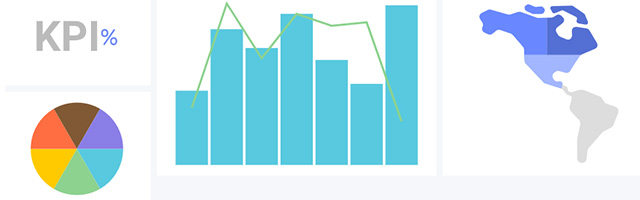
Empower your product team to make better decisions that drive real product value by centralizing all your product data in Slingshot. Connect to your data sources and build insightful dashboards that allow your team to monitor product metrics, track goals, identify trends, and measure the impact of new features.

Slingshot featuring a dashboard showing user testing results.

Frequently Asked Questions

A product roadmap is an actionable plan of how a product, or a SaaS solution will evolve over time. It maps out the vision and direction of new feature functionalities and when they will be released.

An agile product roadmap is built to reflect the product strategy and to also respond to changes when needed. The agile roadmaps are characterized by short time frames and frequent adjustments to allow continuous software testing. When used in agile development, a product roadmap provides context for the teams’ everyday work – multiple teams may share the same product roadmap.

Building an agile product roadmap starts with a strategy. No tool will be of help if you don’t know where to start and what you want to achieve. Then, you need to define your audience, and establish the product goals and initiatives that your efforts will support during the process. Once those are defined, the next step will be to decide which releases and features are best aligned with your strategy and then visualize it all on a timeline. And this is where roadmap visualization tools can help.

A product roadmap should include a product vision, strategy, product plan, requirements (features requests, what customers are looking/asking for), milestones, deliverables, time frames (dates or time periods for a certain goal or feature to be finished), status markers to track the progress, and metrics to assist the measurement of data-driven goals.

A good agile product roadmap tool should enable teams to track milestones, features, and product strategy in order to make more informed, and most importantly data-driven decisions to prioritize their tasks. Other key features that you should be looking for include but are not limited to file attachments, chat and discussion, reporting, dashboard creation, and resource allocation.

You need Slingshot as a product roadmap tool as Slingshot incorporates product roadmap, project, task, and content management, and data analytics capabilities, all in one app to increase the productivity and results of your team.

Get Started With Slingshot Today