Skip to content
Product Development – Bug Tracking

Bug & Issue Tracking Made Simple

Track, report, collaborate on and prioritize your bugs, all from within the same application. Never lose a bug again with Slingshot.


Keep Your Backlog Organized

Organize your bug backlogs by tagging and categorizing your bugs for improved overall tracking efficiency. Sort tasks by priority or severity, add custom tags, create subtasks, and set due dates for more reliable task completion.

Slingshot featuring a bug tracking workspace with prioritized tasks

Collaborate With Your Team

Communicate with your team directly in the context of a bug. Pin screen recordings or relevant files from cloud providers, chat and resolve issues together right from a conversation and eliminate the back and forth and app-switching that slows progress.

Slingshot featuring a discussion about a bug in a task.

Track Bug Resolution Progress

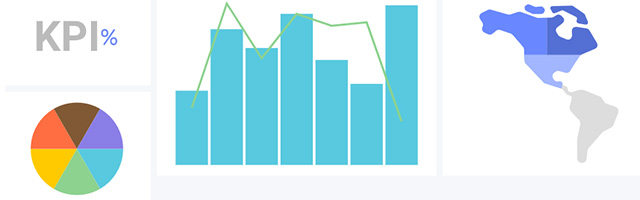
Know what is happening at every stage of your development cycles - create dashboards to monitor the resolution and status of your bugs. Understand defect density, the number of issues in the backlog, mean time to resolve (MTTR), and more through beautiful data visualizations that automate your reporting.

Slingshot featuring a dashboard showing bug resolution progress.

Keep Stakeholders Informed

Share bug and issue tracking progress across all levels of your organization – from the developer to the C-Suite. Create snapshot or live dashboards, pin them to your projects, share them with the stakeholder and allow commenting so they can always see the latest status on the issues your team is working through.

Slingshot featuring a dashboard being shared with stakeholders.

Frequently Asked Questions

Bug tracking is the process of detecting, logging, monitoring, and tracking bugs and issues that occur during software testing/development. It is also referred to as ''issue tracking''.

A bug tracking tool or a bug tracking software/system is a software application that helps product development and product testing teams to keep track of reported bugs and monitor their resolve process.

When you detect a new bug, you can use a bug tracking tool to document the bug, prioritize its fixing, create a task and assign it to the right person, track the progress status, comments, and updates, and resolve it.

At a bare minimum, a bug tracking software should provide its users with the ability to assign tasks and subtasks to developers, prioritize bug fixing tasks, attach files and documents for reference and further help, notifications, and chat and discussion capabilities. A great bug tracking software will also include analytics and reporting features. Capturing data from bugs and issues tracking will help you identify trends, analyze crucial metrics, and generate custom reports with actionable insights.

Slingshot has all the necessary tools and features to help you ship error-free software products – access control, tasks and subtasks, task prioritization, custom fields, file attachment, in-app notifications, search, private chats and group discussions, dashboard creation, reporting, variety of data visualization tools and a native mobile app.

Slingshot goes beyond bug tracking by incorporating project, task, and content management capabilities with robust data analytics and chat, all in the same application. That improves team collaboration and productivity since team members don’t have to switch between multiple apps to find the information they need, but instead have all their work resources neatly organized in a single location.

Get Started With Slingshot Today